SLEWRC Successfully Completes Electricity Regulatory Capacity – Building Program in UGANDA
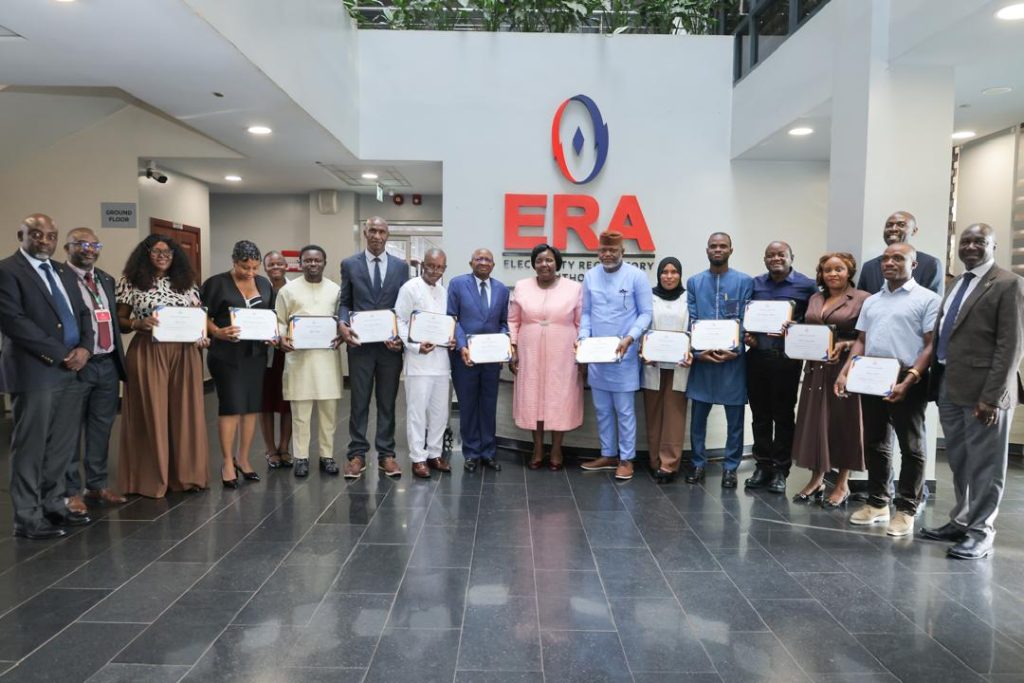
The Sierra Leone Electricity and Water Regulatory Commission (SLEWRC) has successfully completed a five-day, in-person capacity-building programme on electricity regulation with Uganda’s Electricity Regulatory Authority (ERA). The programme took place in Kampala, Uganda, from 19 to 23 October 2026. The programme formed part of the Commission’s ongoing efforts to strengthen its institutional capacity and improve oversight of the electricity sector through knowledge exchange, practical learning, and hand – on – experience. Supported by the World Bank Energy Team, the engagement brought together the SLEWRC delegation and ERA’s management and technical personnel. Participants examined regulatory approaches, shared experiences and talk about different ways to strengthen electricity regulation, improve utility performance and enhance service delivery. Throughout the five-day programme, participants engaged in training sessions covering key areas of electricity regulation, including regulatory governance and institutional leadership, tariff determination and financial regulation, licensing and technical compliance monitoring, grid code implementation, quality of supply, utility performance monitoring and consumer protection. The training sessions on regulatory governance and leadership emphasised institutional independence, effective oversight, accountability and sound decision-making. Participants examined the challenges regulators face in making technically sound decisions within complex political and stakeholder environments, underscoring the need to maintain public confidence and regulatory credibility. The sessions on tariff determination and financial regulation provided insights into tariff modelling, revenue requirements, cost-of-service analysis and the assessment of utility financial submissions. Particular attention was paid to reviewing operational costs, capital expenditure and other financial considerations to ensure that tariff decisions are transparent, evidence-based and reflective of the actual cost of providing electricity services. Discussions on licensing and technical compliance covered procedures for evaluating licence applications, monitoring compliance with licence conditions, conducting inspections and enforcing established technical and safety standards. Participants also highlighted how effective monitoring and enforcement promote accountability among electricity service providers. Further sessions addressed grid code implementation and quality-of-supply regulation, focusing on network reliability, technical standards, safety and utility performance monitoring. The programme highlighted the use of appropriate performance indicators and benchmarking methods to assess utility efficiency, identify service-delivery challenges and support continuous improvement. Consumer protection and regulatory communication formed a significant part of the programme. The discussions covered complaints-handling procedures, dispute resolution, stakeholder engagement and the importance of clear communication among regulators, electricity service providers and consumers. The sessions reinforced the need for consumers to understand their rights and responsibilities, as well as the channels available for seeking redress over service-related concerns. As part of the practical learning component, the delegation undertook a technical field visit to gain first-hand insights into hydropower operations, infrastructure management and the operational considerations involved in electricity generation. The programme provided valuable lessons for SLEWRC, particularly on strengthening regulatory systems through effective institutional coordination, data-driven decision-making, consistent performance monitoring and meaningful stakeholder participation. The knowledge and experience gained are expected to inform the Commission’s ongoing efforts to improve its regulatory processes, especially in tariff assessment, licensing and compliance monitoring, service-quality regulation and consumer engagement. The Commission will also examine how relevant lessons from Uganda’s regulatory experience can be adapted to Sierra Leone’s electricity sector. For the consumer protection session, the engagement reinforced the importance of making regulatory information accessible to the public, strengthening consumer awareness, improving complaints management and ensuring that consumer concerns are adequately reflected in regulatory processes. Effective communication and public engagement remain essential to building trust, promoting transparency and strengthening relationships among the Commission, service providers and electricity consumers. The Commission recognises that effective electricity regulation requires more than policies and technical standards. It also depends on strong institutions, competent regulatory personnel, effective monitoring mechanisms and sustained stakeholder engagement to ensure that regulatory decisions translate into improved services for consumers. SLEWRC therefore extends its sincere appreciation to the World Bank Energy Team and the Management and Technical Team of Uganda’s Electricity Regulatory Authority for their cooperation, knowledge-sharing and support in making the capacity-building programme a success. The Commission remains committed to strengthening its regulatory capacity and applying relevant lessons from the engagement to support a more transparent, accountable, efficient and consumer-focused electricity sector in Sierra Leone.
SLEWRC Strenthens Electricity Regulatory Capacity Through Training with ERA
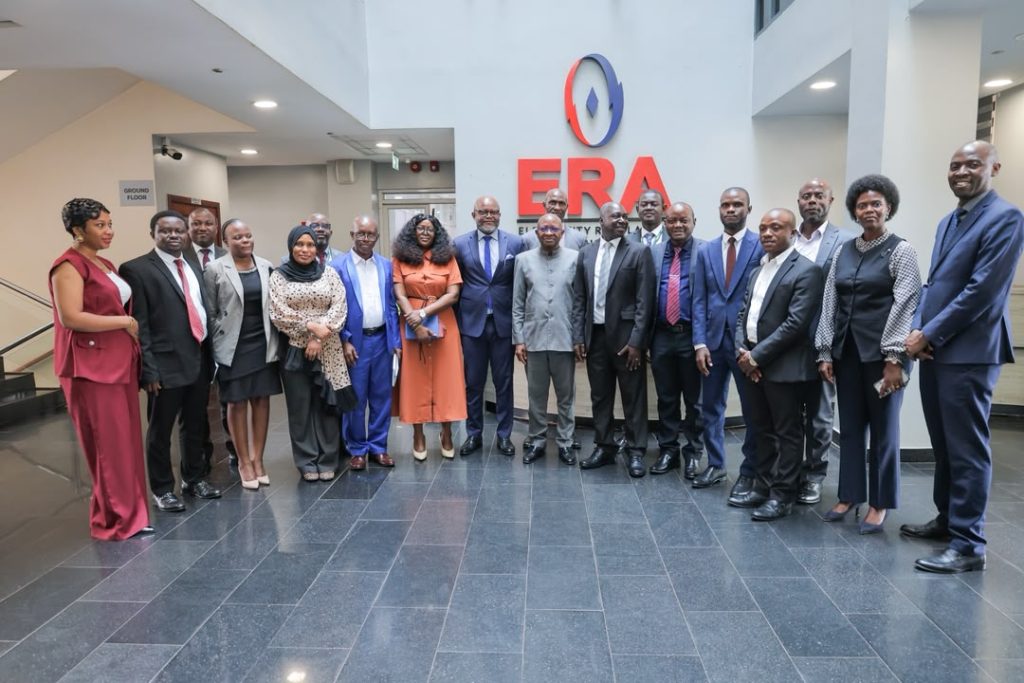
The Sierra Leone Electricity and Water Regulatory Commission (SLEWRC) has commenced its in – person capacity – building training programme with Uganda’s Electricity Regulatory Authority (ERA) in Kampala, Uganda on Monday, 19 October, 2026. The programme focused on key areas of electricity regulation, including regulatory governance, institutional independence, tariff determination, financial regulation, licensing and compliance monitoring, technical and utility performance monitoring, and consumer protection and stakeholder engagement. The programme ran from 19 to 23 October 2026. During this period, the SLEWRC delegation was able to gained insights from Uganda’s experience with electricity regulation and examine possible ways of strengthening electricity regulation in Sierra Leone. The first day of the training programme focused on the importance of regulatory goverance, effective leadership, transparency in decision making processes and engagement with various stakeholders. Discussions also addressed the challenges of balancing electricity tariffs with consumer affordabilty, the finacial sustainability of utilities and the need for continued investment in infrastructure. The training sessions highlighted ways in which utilities could improve their performance and reduce electricity losses during distribution to consumers. Discussions also recognised that maintaining existing tariffs rates may be necessary to support investments in the electrical infrastructure of utilities. The discussions further highlighted the importance of ensuring that regulatory decisions translate into tangible benefits for consumers. Participants emphasised that effective regulation should extend beyond tariff-setting and licensing of utilities to include monitoring of service quality, improving reliability, address consumer concerns and holding utilities accountable for their performance. For SLEWRC, the training provided practical insights as the commission continues to strengthen its regulatory capacity and support reforms within Sierra Leone’s electricity sector. The opening day’s session formed part of a week-long training programme that brought together technical presentations, practical discussions and knowledge-sharing between the two regulatory institutions. Through the training programme, SLEWRC strengthened its institutional learning and professional exchange with ERA, reaffirming its commitments to effective regulation, consumer protection and improved electricity service delivery in Sierra Leone.
SLEWRC Approves New Mini Tariff
Provincial Electricity Enforcement: SLEWRC Conducts Targeted Compliance Operations in Makeni, Bo, and Kenema
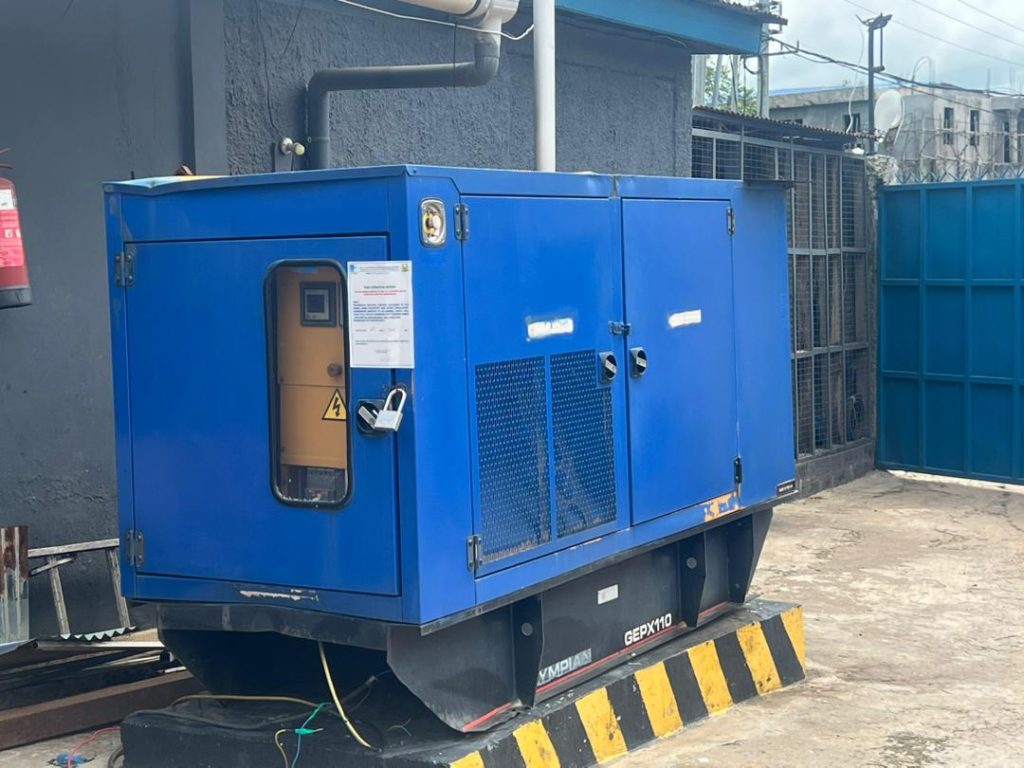
Provincial Electricity Enforcement: SLEWRC Conducts Targeted Compliance Operations in Makeni, Bo, and Kenema In line with its statutory mandate to regulate the electricity sector and improve standard safety measures, the Sierra Leone Electricity and Water Regulatory Commission (SLEWRC) has executed a series of targeted electricity enforcement operations across regional headquarters in Makeni, Bo, and Kenema. The field operations focused heavily on two core compliance measures: • Captive Generation Licenses mandatory for all operators utilizing generators of 10 kVA and above. • Commercial Licenses required for the legal sale of electrical materials and equipment. The enforcement operations saw a successful exercise in Makeni on June 16 and 17, 2026. Operations subsequently moved to the Bo region on June 19, before wrapping up field exercises in Kenema. During the operations, the Commission technical inspection team evaluated commercial installations of various business establishments, generators, and electrical materials and equipment, verified active regulatory documentation/ license , and engaged local vendors on safety parameters. The team notes that these initiatives remain central to the Commission’s broader strategy to enhance safety standards, strengthen statutory compliance, and foster responsible, lawful electricity consumption nationwide. Commercial operators and utility material vendors are reminded to proactively verify their licensing compliance status through official SLEWRC communication channels.
SLEWRC Launches Regional Public Hearings on Proposed Mini-Grid Electricity Tariff Reviews Moyamba, Sierra Leone
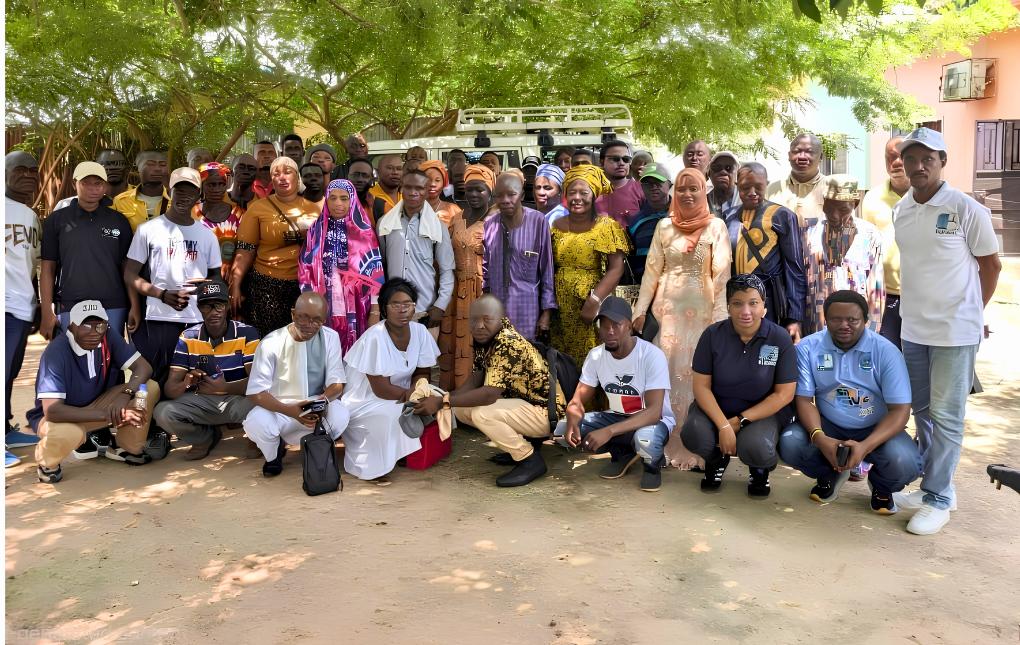
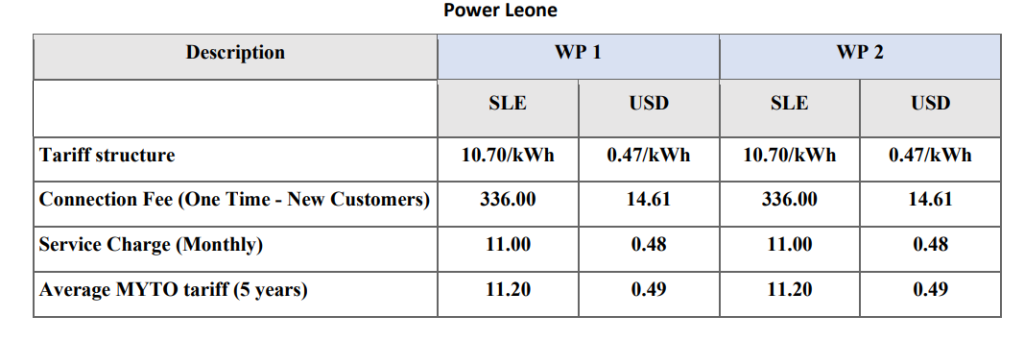
SLEWRC Launches Regional Public Hearings on Proposed Mini-Grid Electricity Tariff Reviews Moyamba, Sierra Leone June 26th, 2026 Following the successful conclusion of its nationwide Multi-Year Tariff Order (MYTO) roadshow, the Sierra Leone Electricity and Water Regulatory Commission (SLEWRC) has formally launched a series of regional public hearings. The consultations, spanning Moyamba, Koribondo, Kono, Kabala, and Makeni, are structured to review tariff applications submitted by rural mini-grid operators Power Leone, PowerGen, and NOA Leone. The primary objective of these regional exercises is to provide rural consumers with a transparent, accessible platform to publicly comment on the proposed adjustments. Through this mechanism, the Commission aims to balance consumer affordability with the operational sustainability of mini-grid operators. The opening phase commenced at the Jane Lahai Hall in Moyamba, convening local authorities, traditional chiefs, and residents from surrounding localities including Moyamba Junction, Bradford, Tiama, Kangahun, and Gbangbatoke. Discussions centered on a proposal by Power Leone to adjust the current mini-grid tariff from Le 7 to Le 13 per kilowatt-hour. Opening the session, Commissioner Edward Komeh, representing the Consumer Protection Agency at the Commission’s Board, stated that as a statutory regulator, SLEWRC executes these hearings to guarantee a predictable, objective, and fair process. He reiterated that community feedback is directly captured before any official regulatory decisions are made. SLEWRC Deputy Director-General, Hon. Sama I. Sandy, urged residents to use the platform to openly voice grievances regarding the quality of mini-grid supply, assuring them that community inputs heavily weigh on final approvals. Locally, demand for mini-grid electricity infrastructure remains a priority, highlighted by Paramount Chief Samuel H. Bengeh of Moyamba Junction, who lobbied for the extension of mini-grid networks to the Fakunya Chiefdom headquarters. Defending the tariff application, Power Leone’s Market Development Manager, Emmanuel Harding, outlined severe macroeconomic pressures affecting operators, noting that shifting exchange rates significantly impact the cost of importing specialized equipment, servicing dollar-denominated loans, and managing operational losses. To assure the public of absolute fairness, Alfred Kaima, Head of Economic Regulation at SLEWRC, explained the Commission’s rigorous assessment methodology. He emphasized that SLEWRC does not merely accept operator requests; rather, it subjects all applications to independent technical reviews of expenditures, system losses, and service quality before granting approvals. As consultations advance across the provinces, SLEWRC remains committed to achieving an equitable regulatory middle ground that safeguards rural consumers while ensuring utility provider viability.
PUBLIC NOTICE: Refutation of Unauthorized Notice Dated 18th June, 2026.
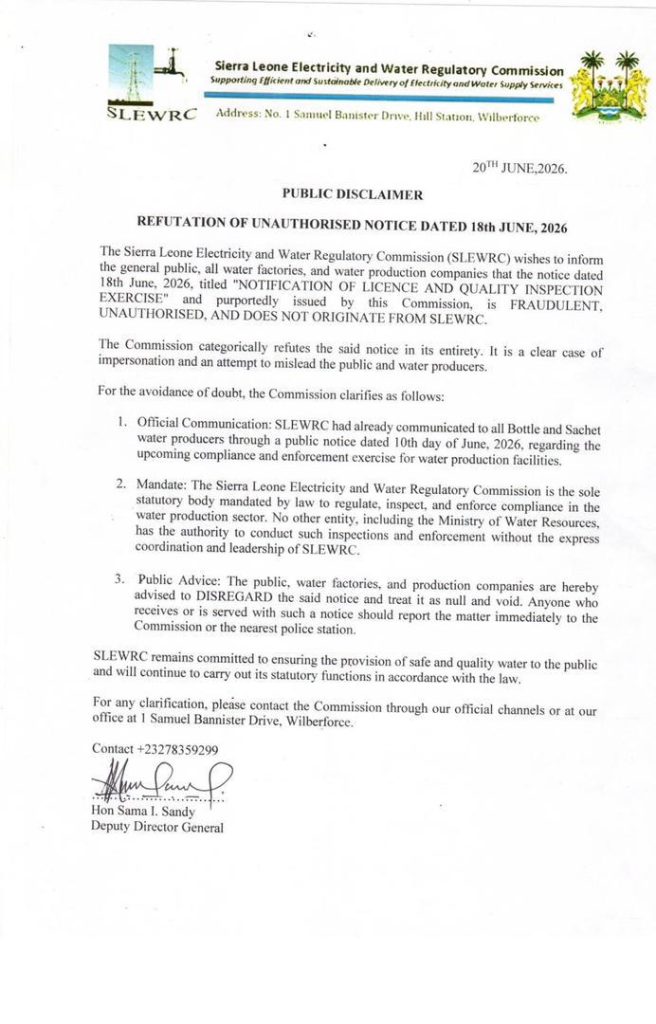
PUBLIC NOTICE: Refutation of Unauthorized Notice Dated 18th June, 2026. June 29, 2026 FREETOWN, SIERRA LEONE The Sierra Leone Electricity and Water Regulatory Commission (SLEWRC) issues this official disclaimer to inform the general public, water factories, and water production companies that a notice circulating dated 18th June, 2026, titled “NOTIFICATION OF LICENCE AND QUALITY INSPECTION EXERCISE” is entirely fraudulent, unauthorized, and does not originate from the Commission. The Commission categorically refutes the said notice and advises stakeholders that it represents a clear case of impersonation aimed at misleading the public and water producers. Before this time, SLEWRC issued an official public notice on the 10th day of June, 2026, communicating the approved frameworks for upcoming compliance and enforcement exercises for water production facilities. Please note that SLEWRC is the sole statutory body mandated by law to regulate, inspect, and enforce compliance in the water production sector. No other entity, including ministries or agencies, holds the authority to conduct these exercises independently without the joint coordination and leadership of the Commission. In this regard, the public, water factories, and production companies are hereby advised to completely DISREGARD the fraudulent notice and treat it as null and void. Anyone who receives or is served with this fraudulent notice should report the matter immediately to the Commission or the nearest police station. For further inquiries, please contact the Commission through our official channels at +23278359299 or visit our headquarters at 1 Samuel Bannister Drive, Wilberforce, Freetown.
SLEWRC Concludes Nationwide MYTO Community Engagement on Mini-Grid Tariffs
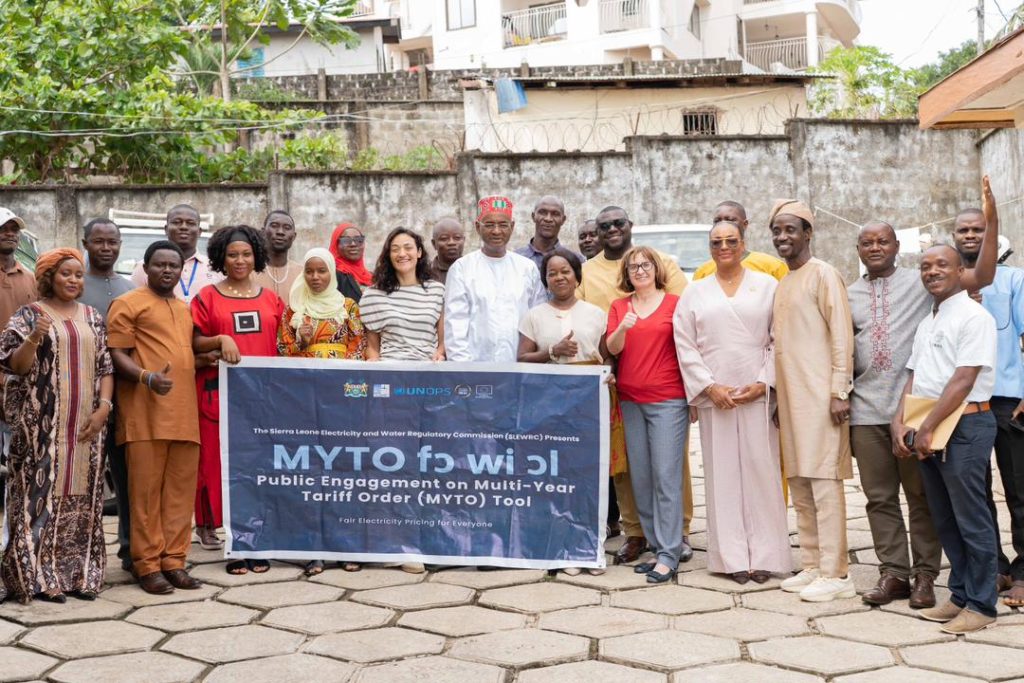
The Sierra Leone Electricity and Water Regulatory Commission (SLEWRC) has successfully concluded its nationwide Multi-Year Tariff Order (MYTO) stakeholder engagement roadshow. The extensive public awareness campaign aimed to improve public understanding of electricity tariff-setting and boost consumer participation in the country’s rapidly expanding mini-grid sector. The initiative was implemented under the Salone Off-Grid Renewable Energy Accelerator (SOGREA) Project. It was supported by the European Union and delivered in partnership with UNOPS, Sustainable Energy for All (SEforALL), and PivotPath Limited. The roadshow spanned five major regional headquarters: Moyamba, Koribondo, Kono, Makeni, and Foredugu, directly engaging approximately 229 stakeholders across 26 mini-grid communities. Through town hall meetings, radio discussions, multilingual awareness campaigns, and direct consultations, the Commission explained the MYTO framework, clarified the mini-grid tariff-setting process, and educated consumers on their rights and responsibilities. The Deputy Director General of SLEWRC, Hon. Sama I. Sandy, noted that the exercise significantly improved public understanding of tariff regulation while strengthening trust in the Commission’s role as an independent regulator: “Communities welcomed the opportunity to engage directly with regulators and service providers. They raised vital concerns regarding reliability, infrastructure, metering, and complaint resolution.” Hon. Sandy highlighted a key finding from the tour: consumers expressed a clear willingness to pay approved tariffs, even if slightly higher, provided they receive reliable, high-quality electricity. He emphasized that sustainable mini-grid operations require a careful balance between consumer affordability and operator viability to ensure continued investment and reliable service. Commending the initiative, the Deputy Minister of Energy II, Dr. Abdul Rahim Jalloh, praised SLEWRC and its partners for taking the MYTO framework directly to rural communities. He noted that while many consumers previously questioned how tariffs were determined, the roadshow successfully demonstrated that calculations are strictly evidence-based, driven by operational costs, and bound by regulatory oversight rather than arbitrary decisions. Consumer and Public Affairs Manager Rebecca F. Ndoeka described transparency as the bedrock of effective regulation: “The MYTO roadshow has successfully transformed a highly technical policy tool into a consumer-friendly resource, helping communities understand exactly how electricity prices are determined.” She added that the feedback gathered during these nationwide consultations will actively guide future regulatory enforcement, infrastructure planning, and policy decisions. Key outcomes of the roadshow include increased public awareness of the MYTO framework, strengthened confidence in SLEWRC’s regulatory role, improved consumer feedback channels, and a broad consensus on the need for continued dialogue between communities, operators, and the Commission. As SLEWRC prepares for future tariff adjustments, officials reaffirmed their commitment to keeping the process transparent, inclusive, and evidence-based. This initiative marks a major milestone toward building a more accountable, sustainable, and consumer-centered energy sector capable of expanding reliable electricity access across Sierra Leone.
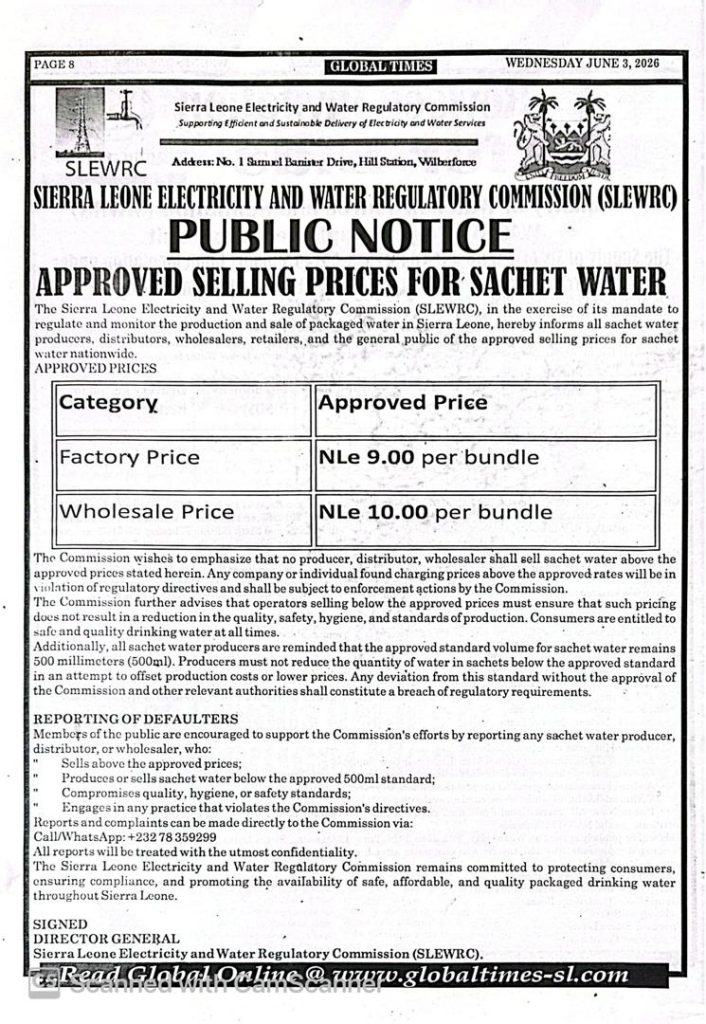
APPROVED SELLING PRICES FOR SACHET WATER
SLEWRC Concludes Nationwide Roadshow Popularizing New MYTO Framework for Mini-Grids
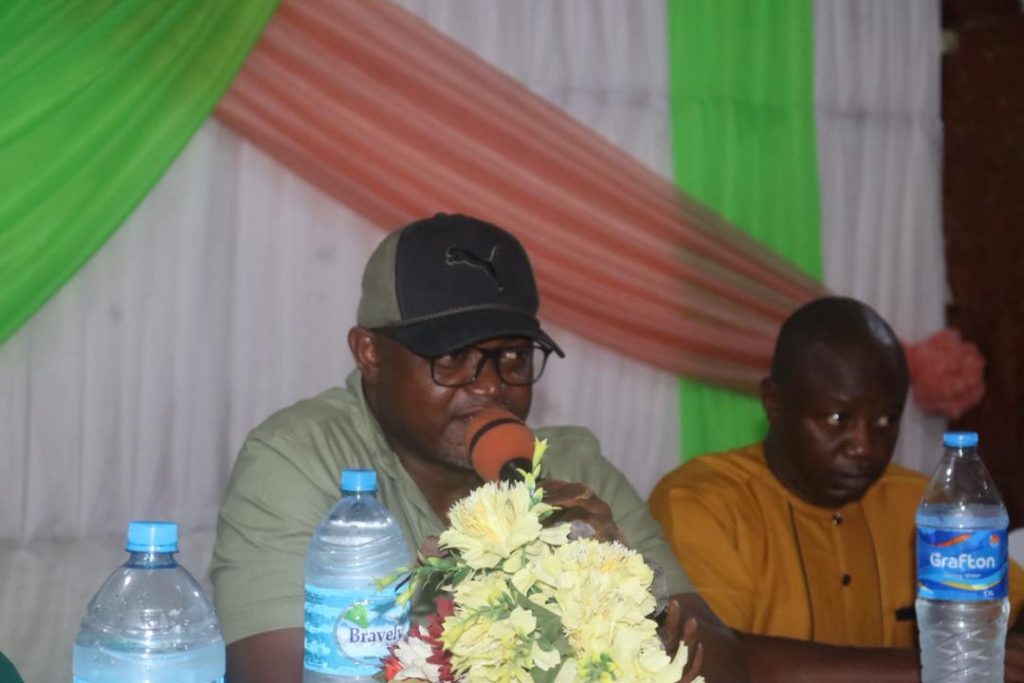
The Sierra Leone Electricity and Water Regulatory Commission (SLEWRC) has successfully concluded its nationwide community engagement roadshow to popularize the Multi-Year Tariff Order (MYTO) framework. The week-long community engagement, which ran from May 18th to May 23rd, 2026, across provincial convergence headquarters: Moyamba, Korinbondo (Bo District ), Kono, Makeni, and Foredugu, represents a landmark effort by the Commission’s current leadership to demystify mini-grid electricity pricing and introduce a highly transparent, predictable tool for calculating mini-grid tariffs. The roadshow served as a direct bridge between the regulator and rural mini-grid electricity consumers, ensuring that mini-grid users fully understand their rights, the tariff-setting process, and the mechanism designed to protect them from arbitrary pricing. The successful provincial engagement was the direct result of a meticulous, multi-stage MYTO communication strategy. Ahead of the roadshow community engagement, the Commission hosted a high-level technical press briefing at the SLEWRC headquarters in Freetown on May 15, 2026. During this pre-rollout engagement, Executive Management, led by Director-General Mr. Festus Kallay, briefed senior media practitioners and journalists on the technical functionalities of the MYTO tool. The briefing was designed to ensure accurate public reporting and to enlist national press partners as allies in promoting regulatory transparency. By establishing this strong foundation with the media, the Commission ensured that accurate information reached the public even before the teams hit the ground. Following the media launch, the SLEWRC team, in collaboration with the United Nations Office for Project Services (UNOPS), Sustainable Energy for All (SEforALL), the European Union (EU), and PivotPath, traveled extensively across the country to engage directly with local authorities, mini-grid operators, and community members. The roadshow provided a platform for interactive town halls, question-and-answer sessions, radio discussion programs, and the distribution of simplified consumer education materials. By translating complex regulatory mandates into clear, accessible concepts, the Commission has empowered rural communities to actively monitor their electricity services and engage constructively with providers. This twin-track approach beginning with media validation and culminating in the MYTO tool public education and communication, underscores the Commission’s renewed commitment to proactive public engagement.
SLEWRC and PSRU Convene High-Level Stakeholder Engagement to Review Institutional Structures
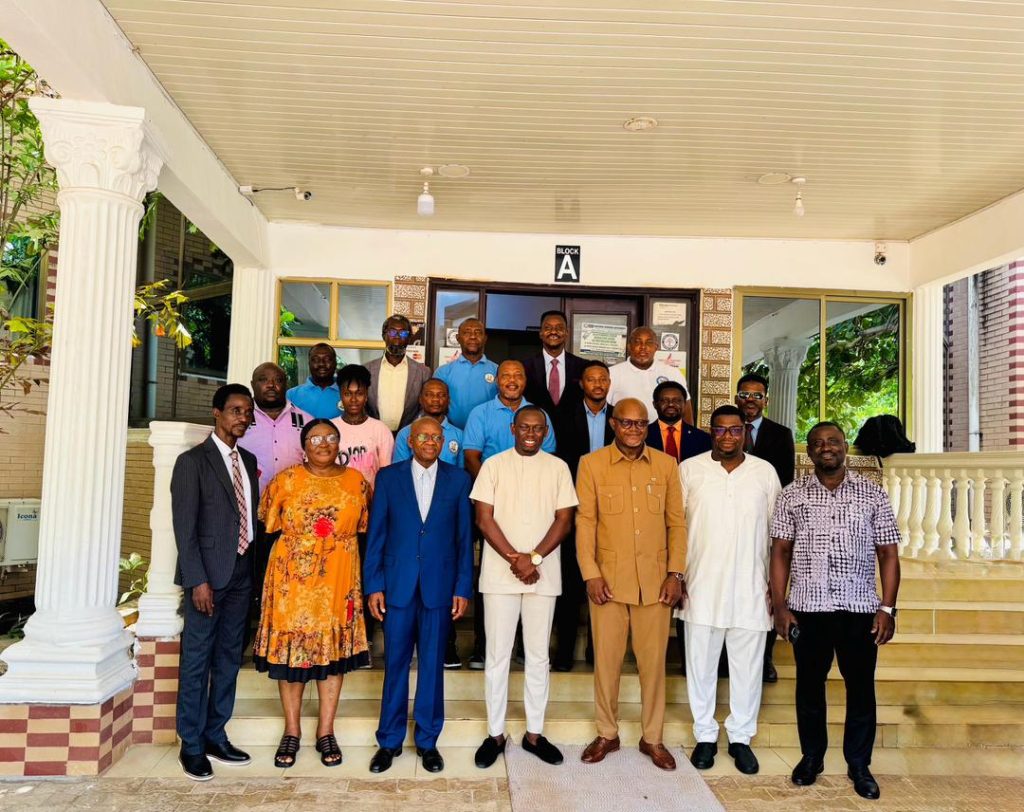
*SLEWRC and PSRU Convene High-Level Stakeholder Engagement to Review Institutional Structures* In a strategic move to modernize its operations and enhance regulatory oversight, the Sierra Leone Electricity and Water Regulatory Commission (EWRC), in collaboration with the Public Sector Reform Unit (PSRU), recently concluded a three-day intensive stakeholder engagement. The high-level session, held from April 16th to April 18th, 2026, at the Occasion Resort in Lakka, focused on a comprehensive review of the Commission’s institutional and organizational structures. The initiative forms part of EWRC’s broader commitment under its current leadership to strengthen regulatory frameworks, optimize service delivery, and align its operations with the evolving socio-economic needs of Sierra Leone’s electricity and water sectors. Speaking at the engagement, the Chairman of the Board of Directors for the Commission, Honorable P.K. Lansana (Ing.), described the exercise as a critical turning point for the regulator. “This engagement signals a significant milestone in the reformation of the Commission. Our goal is to rigorously review a wide range of operational layers, including our regulatory frameworks and governance structures, to ensure maximum efficiency and accountability,” Hon. Lansana stated. The collaborative review brought together key sector stakeholders, including representatives from the National Water Resources Management Agency (NWRMA). Highlighting the legal and operational necessity of the exercise, legal and regulatory experts at the event noted that the long-term success of utility regulation hinges on robust compliance mechanisms built through inter-agency cooperation. By restructuring and refining its internal structure, the EWRC aims to cultivate a more resilient, transparent, and predictable regulatory environment. This structural evolution is designed to safeguard consumer rights, incentivize sustainable private sector investment, and drive national growth in alignment with state development priorities.