The Sierra Leone Electricity and Water Regulatory Commission (SLEWRC) has successfully concluded its nationwide community engagement roadshow to popularize the Multi-Year Tariff Order (MYTO) framework. The week-long community engagement, which ran from May 18th to May 23rd, 2026,
across provincial convergence headquarters: Moyamba, Korinbondo (Bo District ), Kono, Makeni, and Foredugu, represents a landmark effort by the Commission’s current leadership to demystify mini-grid electricity pricing and introduce a highly transparent, predictable tool for calculating mini-grid tariffs.
The roadshow served as a direct bridge between the regulator and rural mini-grid electricity consumers, ensuring that mini-grid users fully understand their rights, the tariff-setting process, and the mechanism designed to protect them from arbitrary pricing.
The successful provincial engagement was the direct result of a meticulous, multi-stage MYTO communication strategy.
Ahead of the roadshow community engagement, the Commission hosted a high-level technical press briefing at the SLEWRC headquarters in Freetown on May 15, 2026. During this pre-rollout engagement, Executive Management, led by Director-General Mr. Festus Kallay, briefed senior media practitioners and journalists on the technical functionalities of the MYTO tool. The briefing was designed to ensure accurate public reporting and to enlist national press partners as allies in promoting regulatory transparency. By establishing this strong foundation with the media, the Commission ensured that accurate information reached the public even before the teams hit the ground.
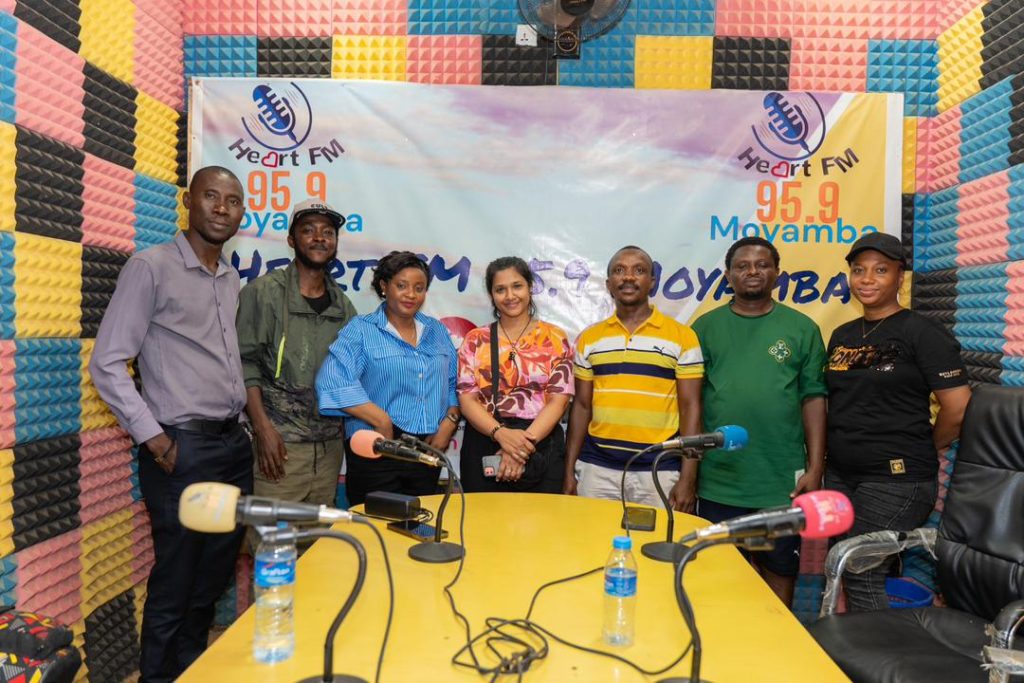
Following the media launch, the SLEWRC team, in collaboration with the United Nations Office for Project Services (UNOPS), Sustainable Energy for All (SEforALL), the European Union (EU), and PivotPath, traveled extensively across the country to engage directly with local authorities, mini-grid operators, and community members. The roadshow provided a platform for interactive town halls, question-and-answer sessions, radio discussion programs, and the distribution of simplified consumer education materials.
By translating complex regulatory mandates into clear, accessible concepts, the Commission has empowered rural communities to actively monitor their electricity services and engage constructively with providers.
This twin-track approach beginning with media validation and culminating in the MYTO tool public education and communication, underscores the Commission’s renewed commitment to proactive public engagement.