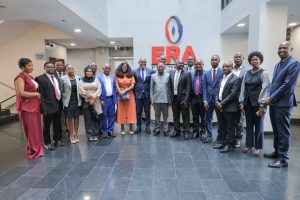
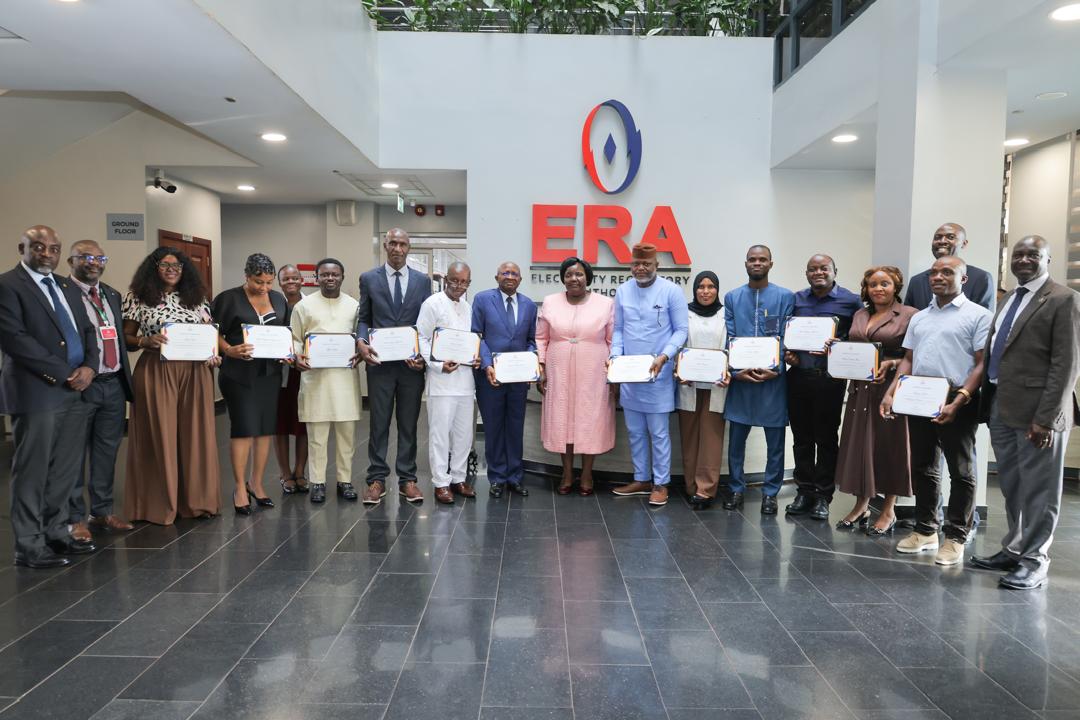
Throughout the five-day programme, participants engaged in training sessions covering key areas of electricity regulation, including regulatory governance and institutional leadership, tariff determination and financial regulation, licensing and technical compliance monitoring, grid code implementation, quality of supply, utility performance monitoring and consumer protection.
The training sessions on regulatory governance and leadership emphasised institutional independence, effective oversight, accountability and sound decision-making. Participants examined the challenges regulators face in making technically sound decisions within complex political and stakeholder environments, underscoring the need to maintain public confidence and regulatory credibility.
The sessions on tariff determination and financial regulation provided insights into tariff modelling, revenue requirements, cost-of-service analysis and the assessment of utility financial submissions. Particular attention was paid to reviewing operational costs, capital expenditure and other financial considerations to ensure that tariff decisions are transparent, evidence-based and reflective of the actual cost of providing electricity services.
Discussions on licensing and technical compliance covered procedures for evaluating licence applications, monitoring compliance with licence conditions, conducting inspections and enforcing established technical and safety standards. Participants also highlighted how effective monitoring and enforcement promote accountability among electricity service providers.
Further sessions addressed grid code implementation and quality-of-supply regulation, focusing on network reliability, technical standards, safety and utility performance monitoring. The programme highlighted the use of appropriate performance indicators and benchmarking methods to assess utility efficiency, identify service-delivery challenges and support continuous improvement.
Consumer protection and regulatory communication formed a significant part of the programme. The discussions covered complaints-handling procedures, dispute resolution, stakeholder engagement and the importance of clear communication among regulators, electricity service providers and consumers. The sessions reinforced the need for consumers to understand their rights and responsibilities, as well as the channels available for seeking redress over service-related concerns.
As part of the practical learning component, the delegation undertook a technical field visit to gain first-hand insights into hydropower operations, infrastructure management and the operational considerations involved in electricity generation.
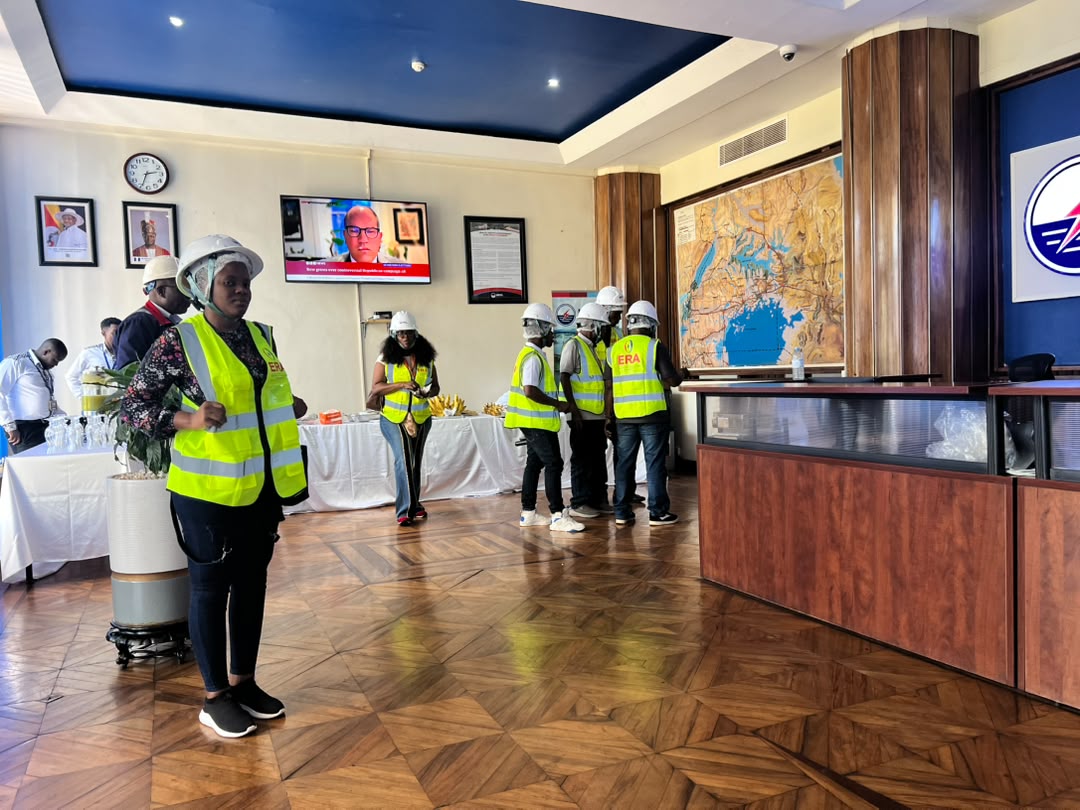
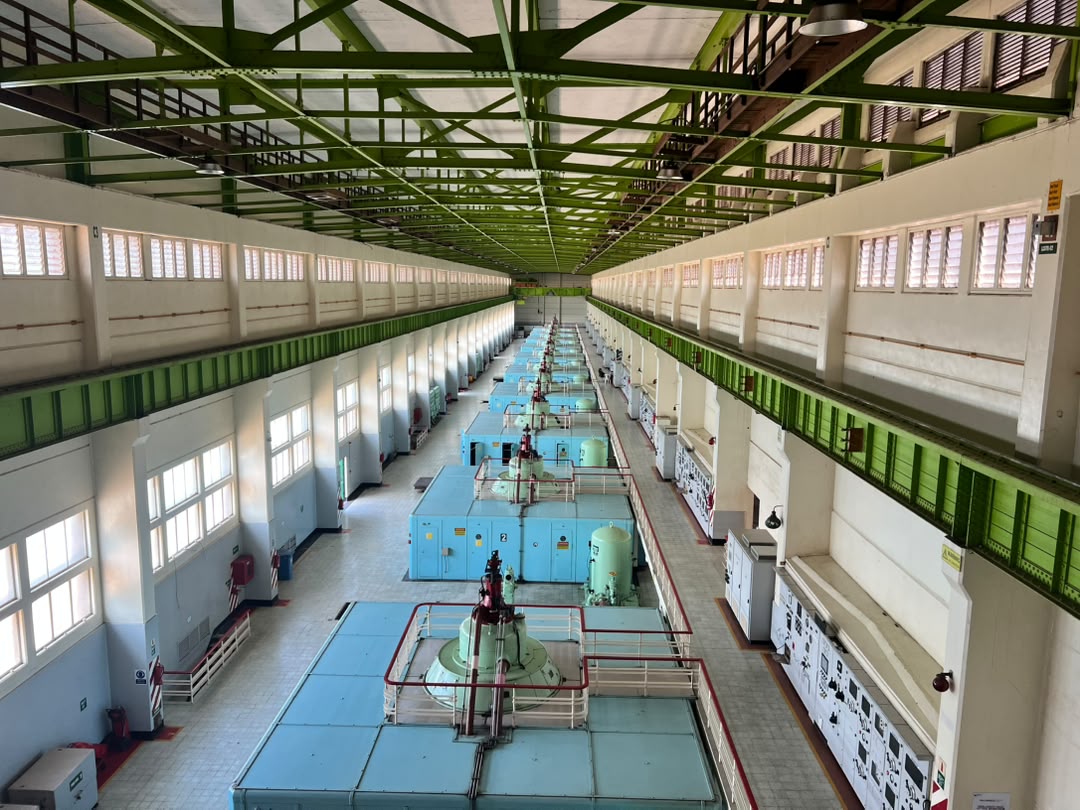
The programme provided valuable lessons for SLEWRC, particularly on strengthening regulatory systems through effective institutional coordination, data-driven decision-making, consistent performance monitoring and meaningful stakeholder participation.
The knowledge and experience gained are expected to inform the Commission’s ongoing efforts to improve its regulatory processes, especially in tariff assessment, licensing and compliance monitoring, service-quality regulation and consumer engagement. The Commission will also examine how relevant lessons from Uganda’s regulatory experience can be adapted to Sierra Leone’s electricity sector.
For the consumer protection session, the engagement reinforced the importance of making regulatory information accessible to the public, strengthening consumer awareness, improving complaints management and ensuring that consumer concerns are adequately reflected in regulatory processes. Effective communication and public engagement remain essential to building trust, promoting transparency and strengthening relationships among the Commission, service providers and electricity consumers.
The Commission recognises that effective electricity regulation requires more than policies and technical standards. It also depends on strong institutions, competent regulatory personnel, effective monitoring mechanisms and sustained stakeholder engagement to ensure that regulatory decisions translate into improved services for consumers.
SLEWRC therefore extends its sincere appreciation to the World Bank Energy Team and the Management and Technical Team of Uganda’s Electricity Regulatory Authority for their cooperation, knowledge-sharing and support in making the capacity-building programme a success.
The Commission remains committed to strengthening its regulatory capacity and applying relevant lessons from the engagement to support a more transparent, accountable, efficient and consumer-focused electricity sector in Sierra Leone.